Key concepts
What we're talking about (and why it matters)
These aren't just buzzwords — they're principles guiding how we build a more just and inclusive energy future. Here's what we mean when we use them.
SCROLL
These aren't just buzzwords — they're principles guiding how we build a more just and inclusive energy future. Here's what we mean when we use them.
Renewable energy systems (like solar or wind) that are owned and/or managed by the community — ensuring that benefits like affordable electricity, income generation, and local jobs stay within the community. It's about shifting power away from private corporations and into the hands of people.
The idea that everyone — especially historically excluded communities — should have a say in how energy is produced, distributed, and priced. It combines climate action with social justice, ensuring that energy transitions are fair and participatory.
A shift from fossil fuels to renewable energy that doesn't leave anyone behind. It recognises that communities who have borne the brunt of pollution or economic dependence on coal need support, new opportunities, and a say in shaping the future.
A movement that connects climate change with social and economic inequality. It says that the people least responsible for the crisis are often the most affected — and that solutions must be inclusive, fair, and rooted in human rights.
The work of growing community power through education, solidarity, shared experiences, and collective action. This project includes workshops, dialogues, and visits between communities to strengthen ties and amplify local voices.
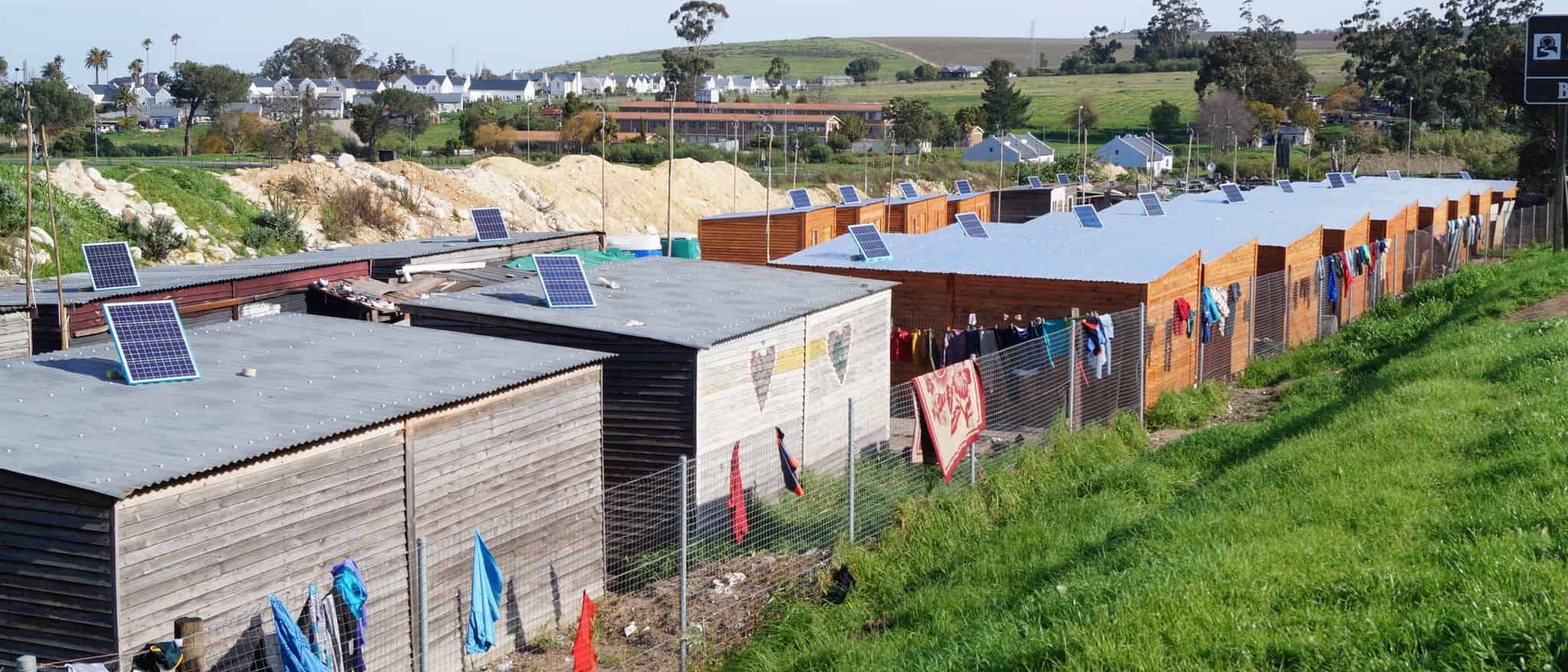
Small-scale solar installations that help communities visualise and test renewable solutions. They're more than just technical pilots — they're tools for learning, inspiration, and advocacy.
Assessments that explore what kinds of energy systems are practical in a specific area. These studies consider cost, grid access, local needs, and technical realities — and they challenge one-size-fits-all approaches.
Working with local government to create real change. This includes dialogues around policy, tariffs, and how communities can co-create energy solutions that are sustainable and scalable.